


Dell Government Sales
Unreleased products made real enough to sell, before they existed.

The problem
Made a product concept look real enough to sell, and decide on, before it existed.
Dell Government Sales needed to pitch products that engineering had only imagined. I designed a legal-cleared AI workflow to show them.
Dell's Innovation Engineering team recommended me to Dell Government Sales, who wanted their dated pitch visuals modernized. The bigger problem was upstream. The products they most needed to sell didn't exist yet.
Employment: frog, a Capgemini Invent company. Tools: Midjourney · Firefly · Photoshop · Illustrator. About the images: Dell's prototypes are confidential. Renderings shown are representative, made in the same vein, not from the project.


Challenge
The approach
I proposed generative AI. Dell had never brought an AI tool into its workflow, so before I generated a single image, the approach went through Dell's legal counsel. That set the ground rules: which tools, what could go into them, and how confidential prototypes would be handled.
The goal wasn't a beautiful image. It was an image with no tell. The moment a viewer registers “this is a mockup,” they go back to evaluating a hypothetical instead of reacting to a product.
Solution
AI for speed. Human judgment at every gate.
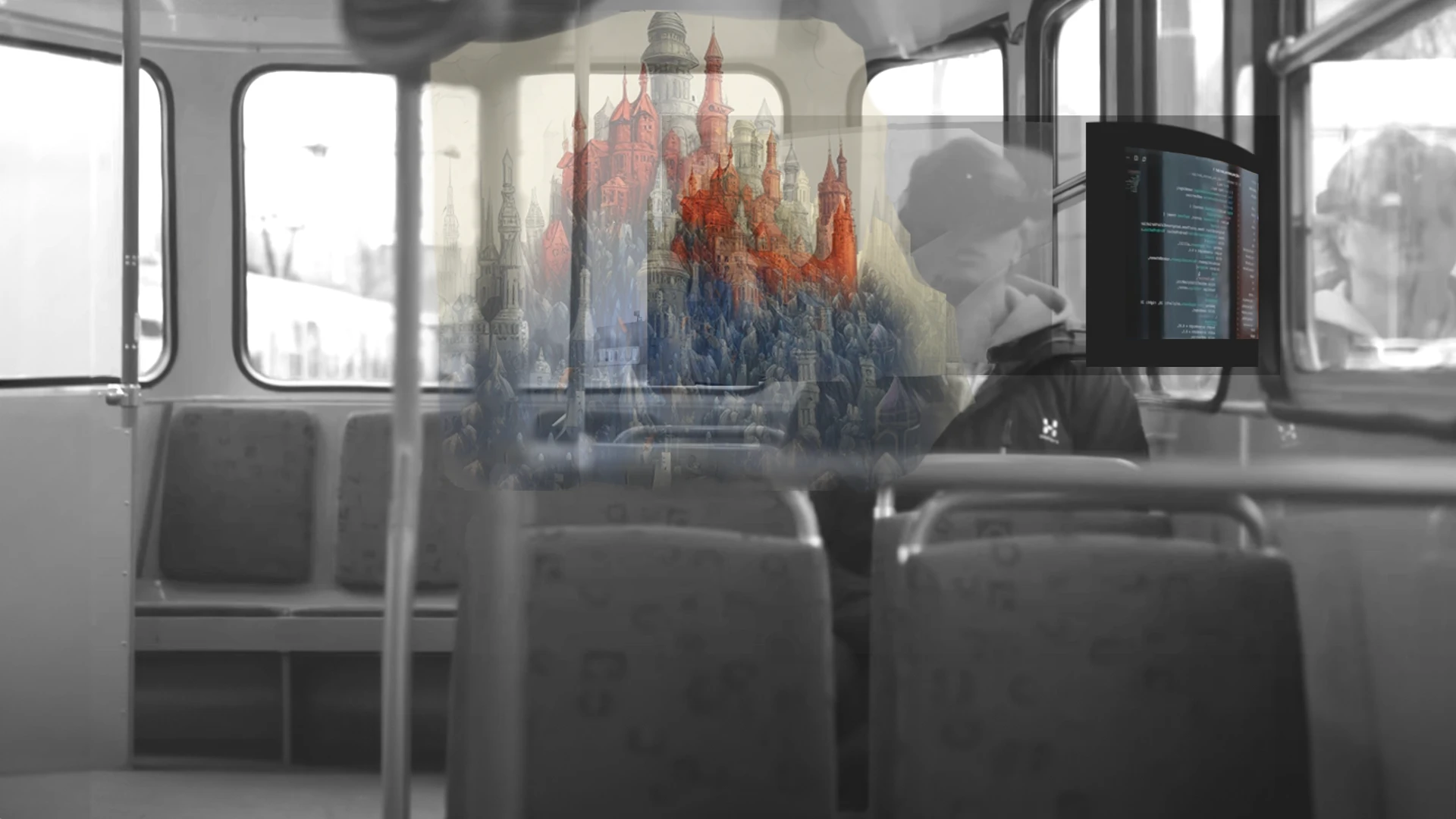
Generative AI produced plenty of strange images. Each one was deleted, reworked by hand, or rebuilt in a different tool. 01 Clearance (Human): tools and data handling reviewed by legal. 02 Generation (AI): Midjourney and Firefly bases created from engineering concepts. 03 Curation (Human): most outputs rejected; survivors chosen for realism. 04 Handcraft (Human + AI): light, materials, and real-room clutter refined in Photoshop and Illustrator. 05 Review (Human): sales and engineering teams checked for accuracy and approved finals.
Phase one updated the dated pitch visuals the team already used. The same workflow could then visualize the engineers' concepts: pre-selling products before they were manufactured, shortening the sales cycle, and giving Dell an early read on how many to build.
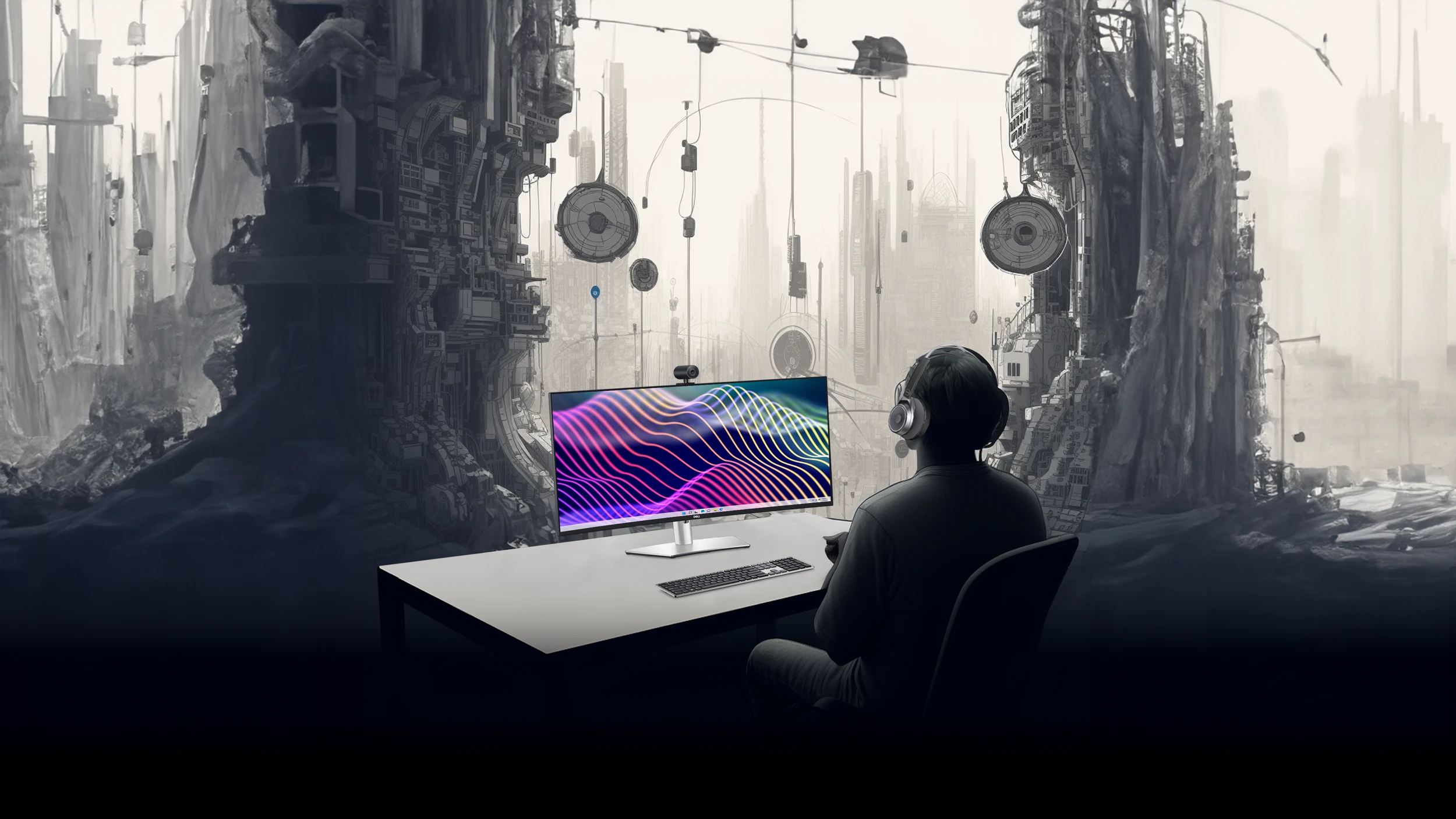
I placed products in context, not on a seamless background. A monitor on a real desk answers “who is this for” and “would this fit my life” at once. Many of the backgrounds move slightly forward in time, so the product feels aspirational. All images were labeled “concept rendering” so there was no confusion about their veracity.
Result
Outcome
Realistic imagery lets enterprise customers get comfortable with a new product earlier in the sales cycle. Teams can pre-sell against it, test it with focus groups, and inform go/no-go decisions well before development finishes. This was the first legal-cleared AI production workflow for Dell.
The government sales team was laid off shortly after the renderings were complete, so the work didn't reach its planned rollout.
What I'd carry forward: clear the tools with legal first, decide where humans stay in the loop, and label concept imagery so trust is never in question.
Next
Project.
Each project shows how I make complex technology clear to the people who decide.

