Travel health marketing that traded fear for savvy. Three phases on an unbranded platform, each funded by the results of the last.
Brand evolution: Emergent BioSolutions
client
Emergent BioSolutions
role
Creative director
Designer
deliverables
Social contest campaign
Brand identity & style guide Site redesign
Social, email & SMS creative
Newsletter
Branded mini-site & brochures
employment
Eveo, a healthcare communication agency (acquired by Capgemini Invent)
Challenge: create community and drive vaccine sales with an unbranded site
Emergent BioSolutions needed its unbranded travel health platform, TravelHealthConnect.com, to do real commercial work: build an audience of international travelers, earn their trust, and create a credible pathway from awareness to the company’s branded travel vaccines.
Research told us the barrier wasn’t awareness. Travelers knew the risks existed; they believed the risks belonged to someone else. That confidence didn’t produce ignorance, it produced quiet drop-off — people began planning a trip, reached the health question, and stopped.
Which made the category’s standard answer exactly wrong. Travel health marketing responds to under-preparation by raising the alarm: more statistics, more consequences, louder warnings. But optimism bias doesn’t yield to a stronger warning, it deflects one, because the warning is always about somebody else.
Turning up the volume on a message the audience had already decided didn’t apply to them was the single approach guaranteed to fail.
Solution
Confidence was the one thing we couldn’t argue with, so we recruited it instead. If the barrier is “I’ve got this,” you don’t dispute it, you redefine what having it looks like. The experienced traveler isn’t the one who never gets sick. She’s the one who knows what to do.
That made preparation a competence worth displaying, and the audience’s self-image the argument rather than the obstacle. It settled the first decision too: celebrate rather than warn. The category sells vaccines as protection from danger; we sold travel health as a mark of the savvy traveler. The tagline followed — “Before you explore the world, explore TravelHealthConnect.”
The campaign was Destination Healthy: a Facebook and Instagram contest inviting travelers to submit their best travel health tips for a chance to win a six-night trip overseas, supported by weekly email and SMS touches, community voting, and paid social targeting travel enthusiasts.

Phase 1: Building site traffic and community
CONTEST
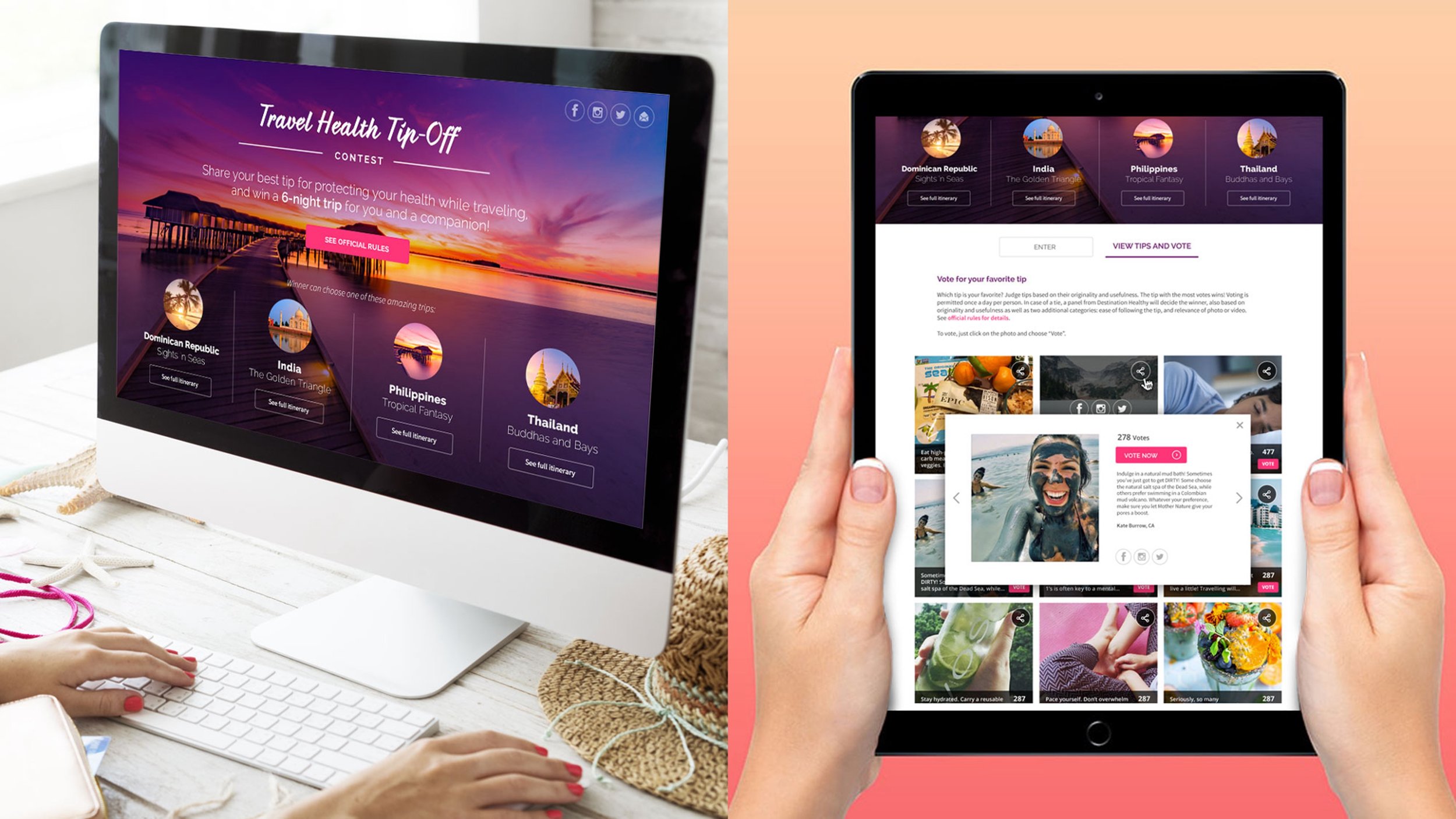
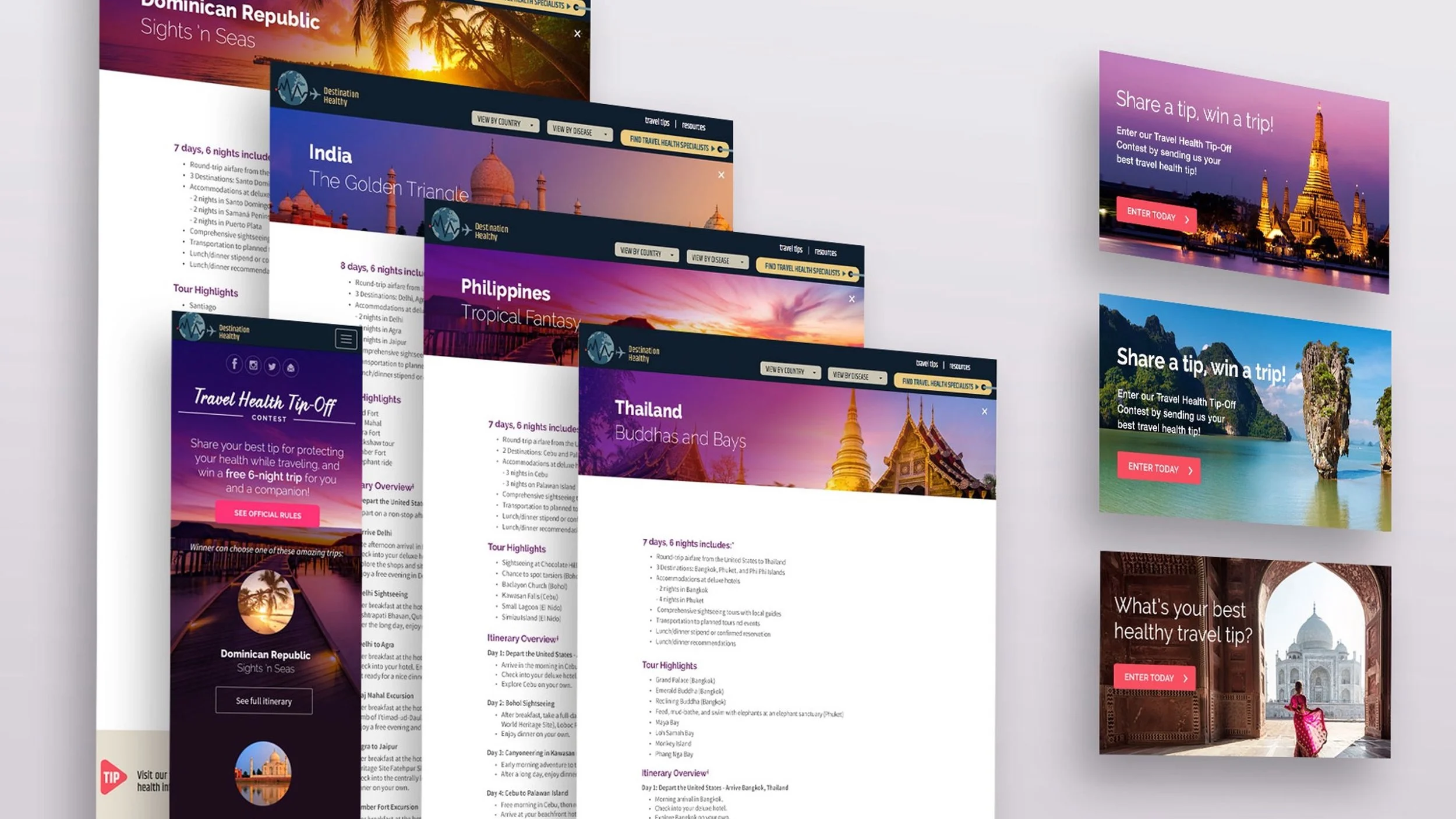
NEW PAGES FOR SITE AND PAID DIGITAL ADS
Phase 1: Outcome
4.6M
Site impressions
$1M
Addition of Phase 2
due to Phase 1 success
Earning the next phase
Phase 1 was the original engagement. There was no guarantee of anything after it.
So the work had to do two jobs — perform for travelers and make the case for its own continuation.
The strategy’s weakness was internal, not external: an approach that deliberately doesn’t look like health marketing is harder for a client to defend inside a pharmaceutical company. That’s why the measurement structure mattered as much as the creative did.
I built the review structure around that: every presentation opened with measured results from the phase just completed, then moved to the creative for the phase being proposed. Proof first, ask second. The client used those numbers internally to justify the spend, which meant each phase was funded by the prior one.
TAKING OVER THE CLIENT RELATIONSHIP
Mid-engagement the project’s continuation was at risk. I took the relationship over directly.
The problem wasn’t the work. The client was being asked to approve decisions faster than she could get comfortable with them, without enough detail to defend those decisions to her own stakeholders. She needed evidence, and she was being asked for trust. So I stopped asking for it — I slowed down, explained the reasoning behind each recommendation, and rebuilt the review structure around proof rather than persuasion.
She stayed cautious for the length of the engagement, which was the right posture for someone spending budget on an unbranded platform inside a pharmaceutical company. The structure didn’t remove her caution. It gave it somewhere to go.
Phase 2: Rebrand the site
Bring back souvenirs,
not typhoid fever
Humor as an entry point to health education
Work
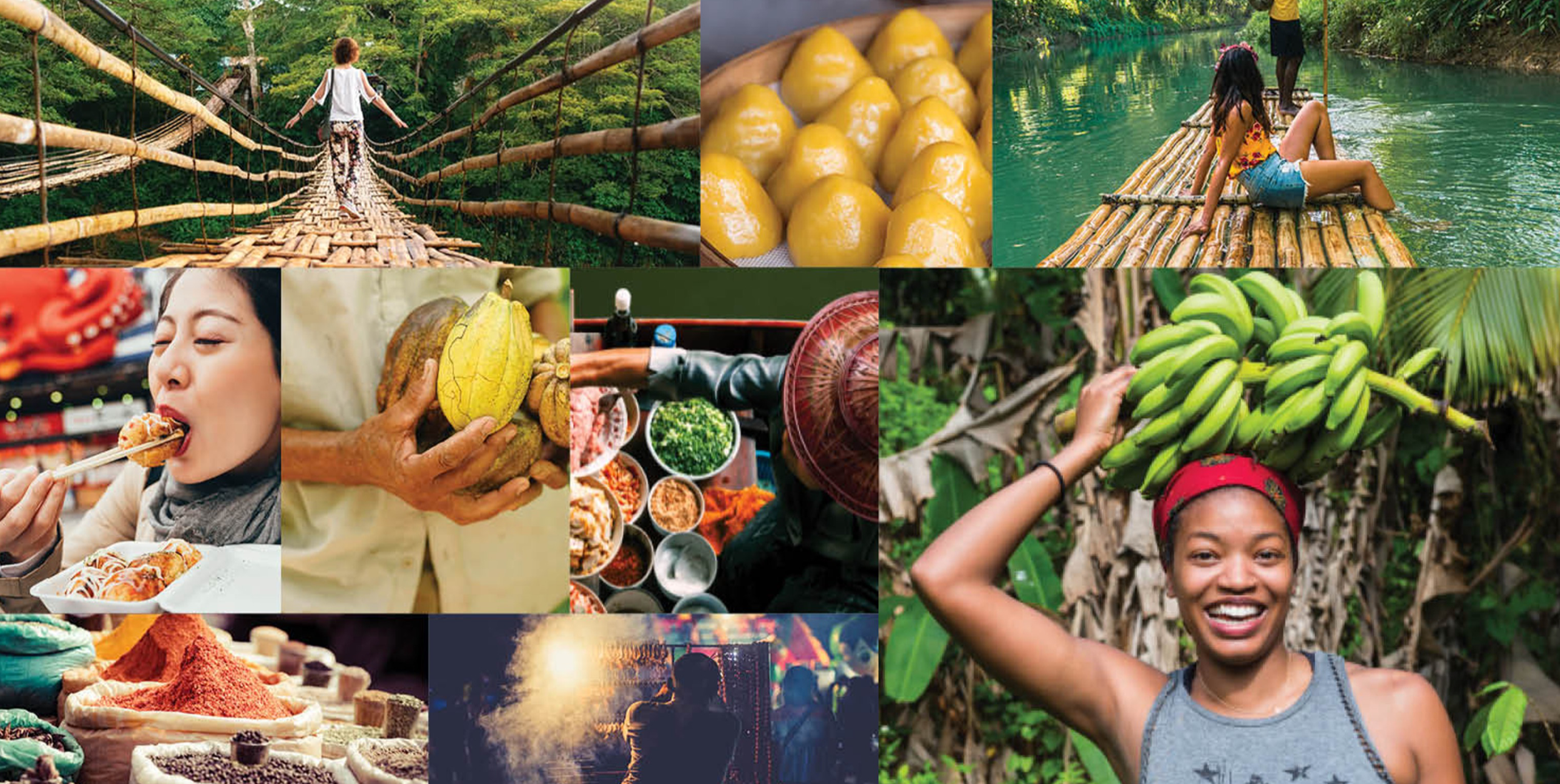
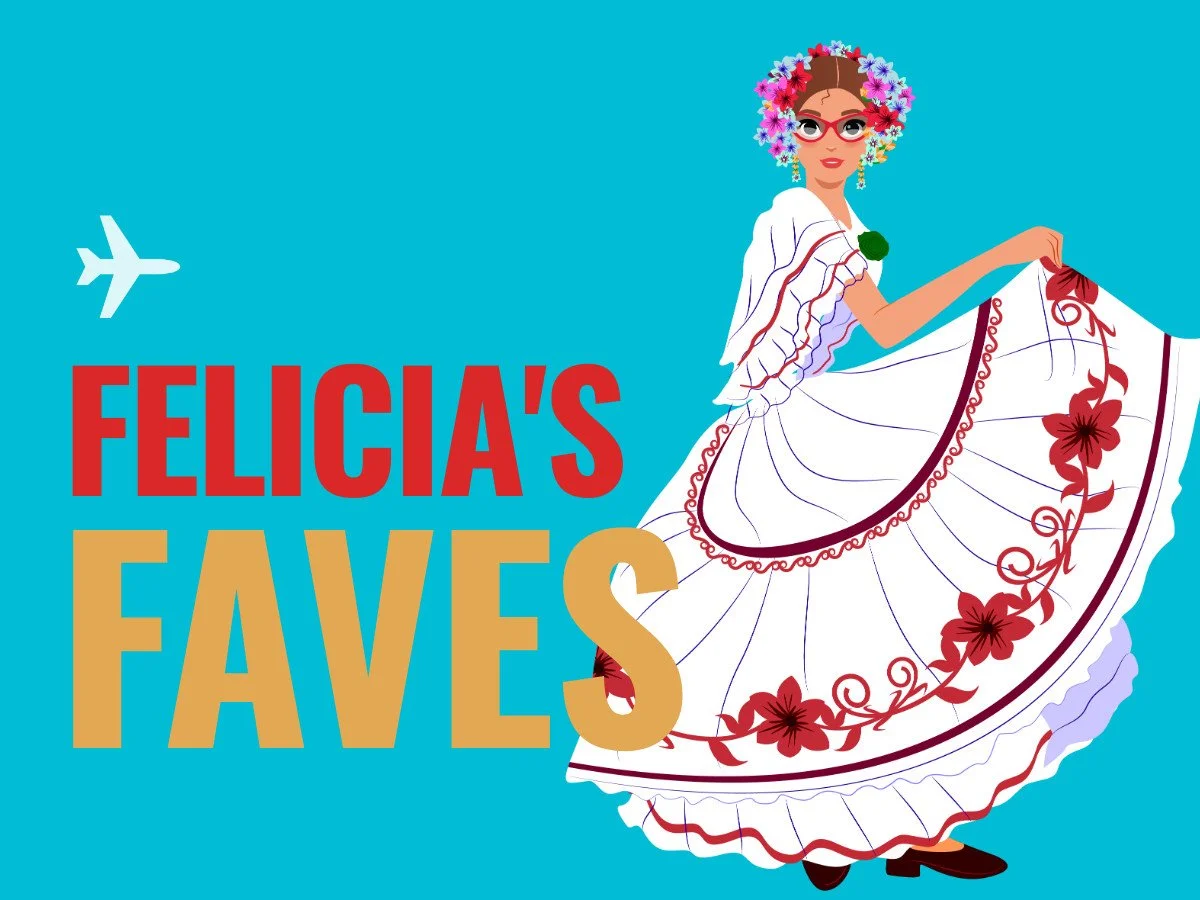
The system borrowed from postcards — the visual language of the trip you’re anticipating, not the clinic you’re avoiding. Choosing an aesthetic the audience associates with excitement rather than with medicine was the same decision as the tagline, executed in a different medium.
CAMPAIGN VISUAL SYSTEM

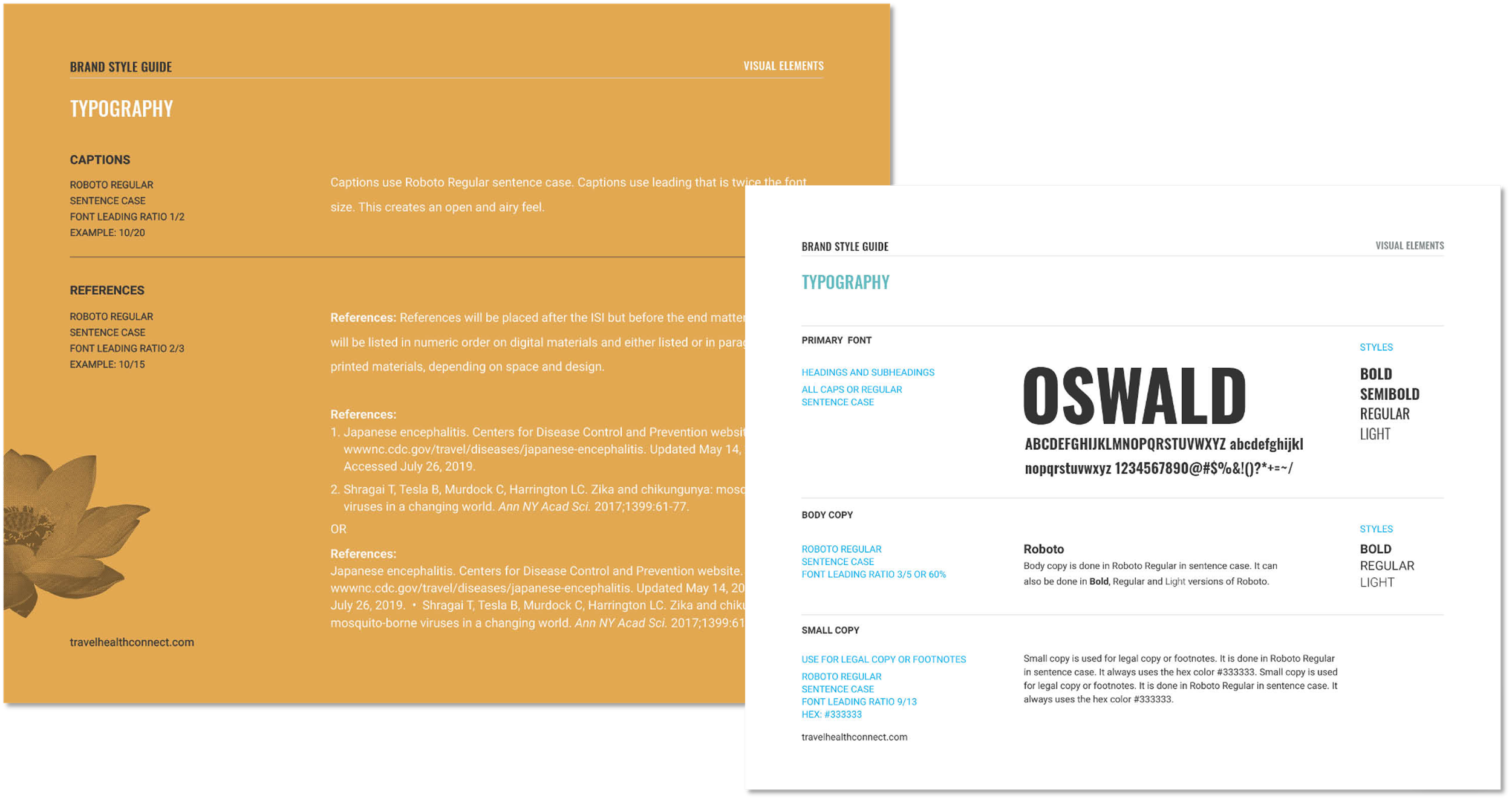
TYPOGRAPHY
PHOTOGRAPHY
Site makeover
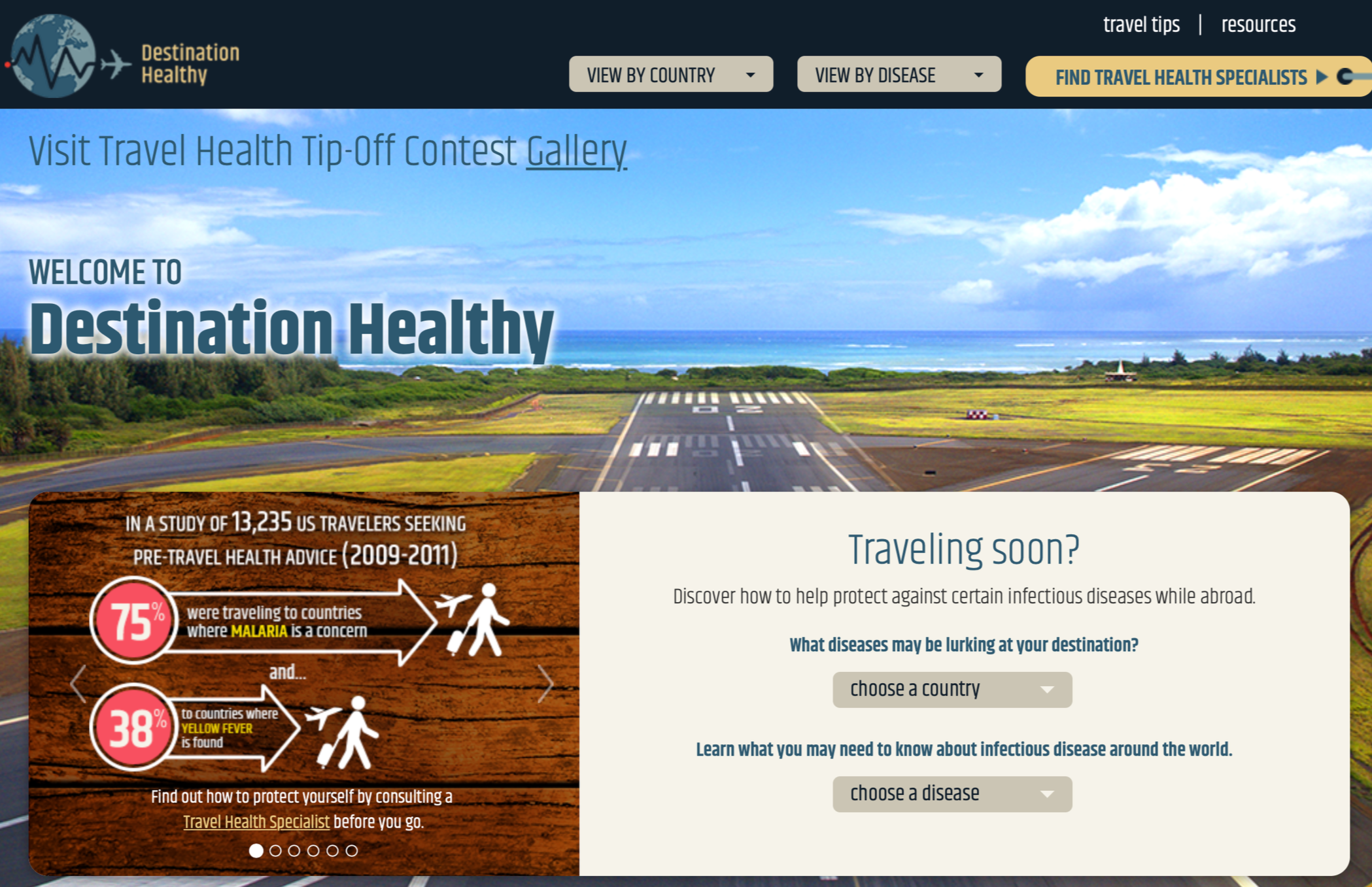
Before
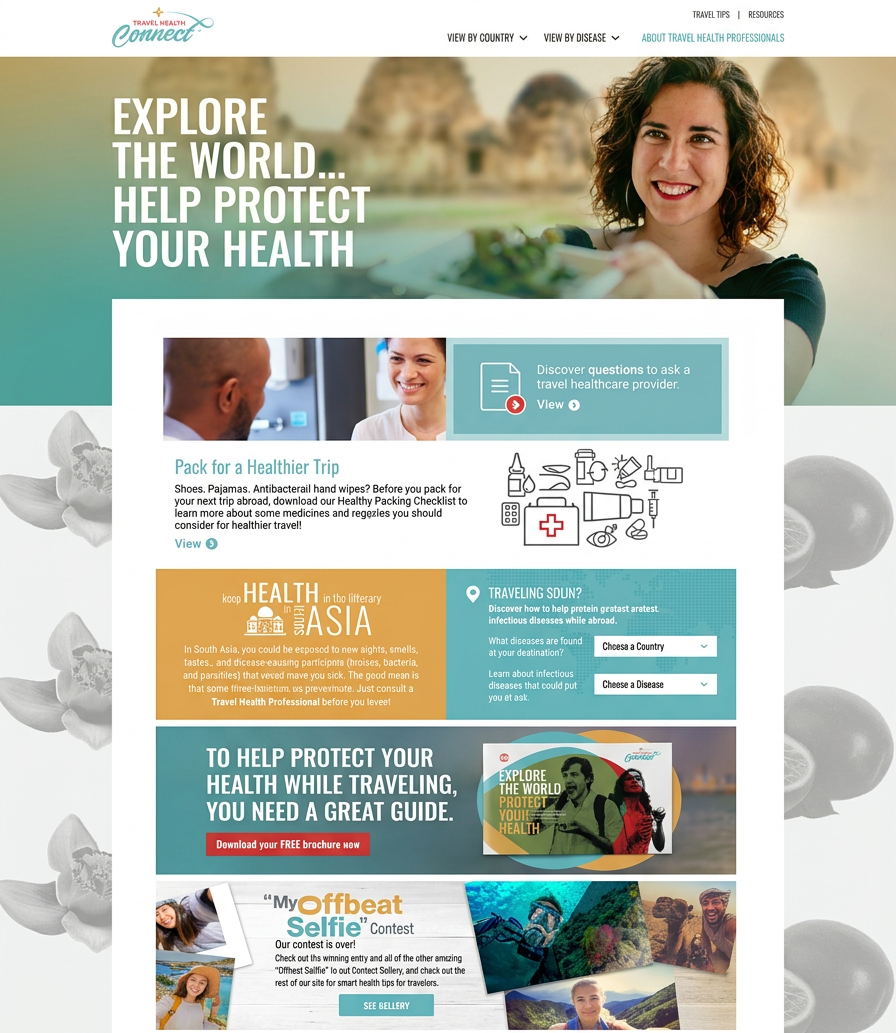
After
SOCIAL
Game formats drove sharing and repeat engagement
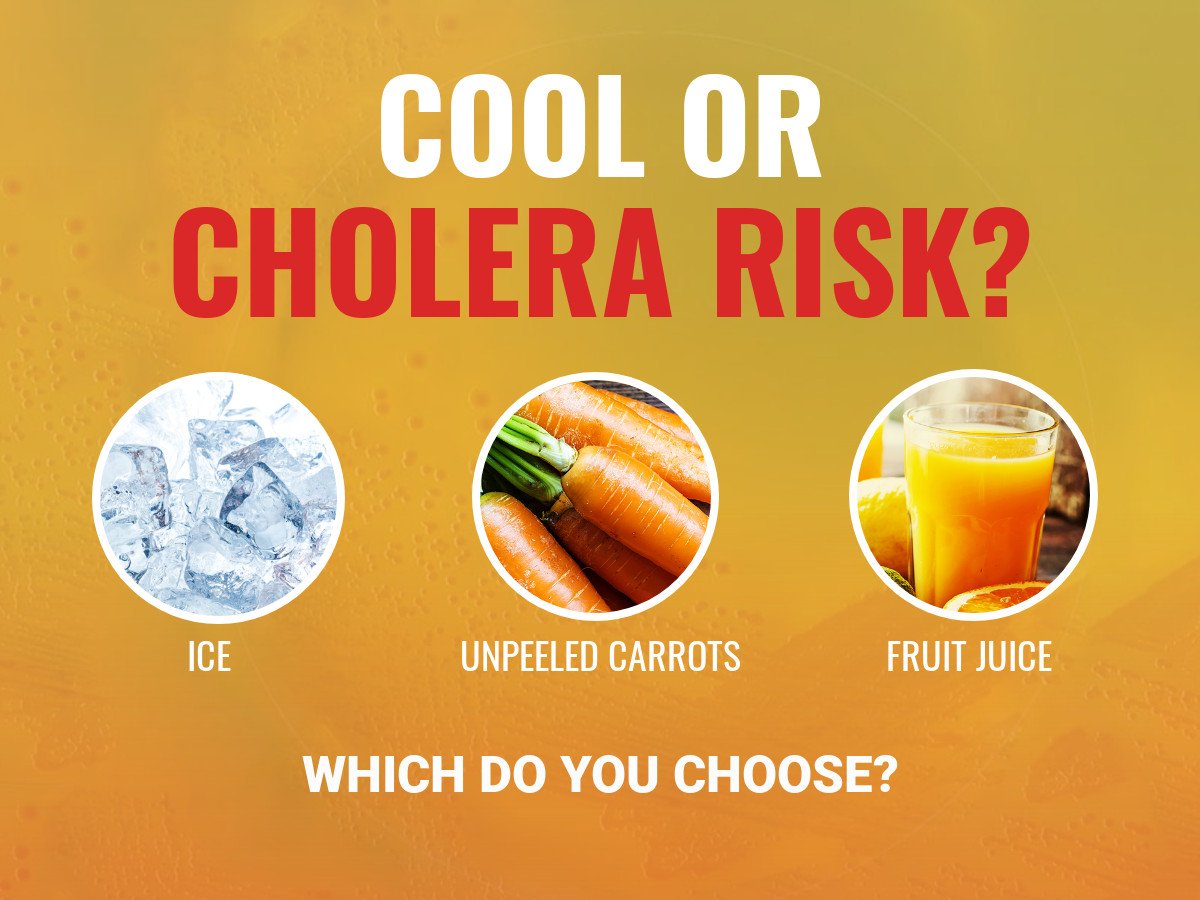
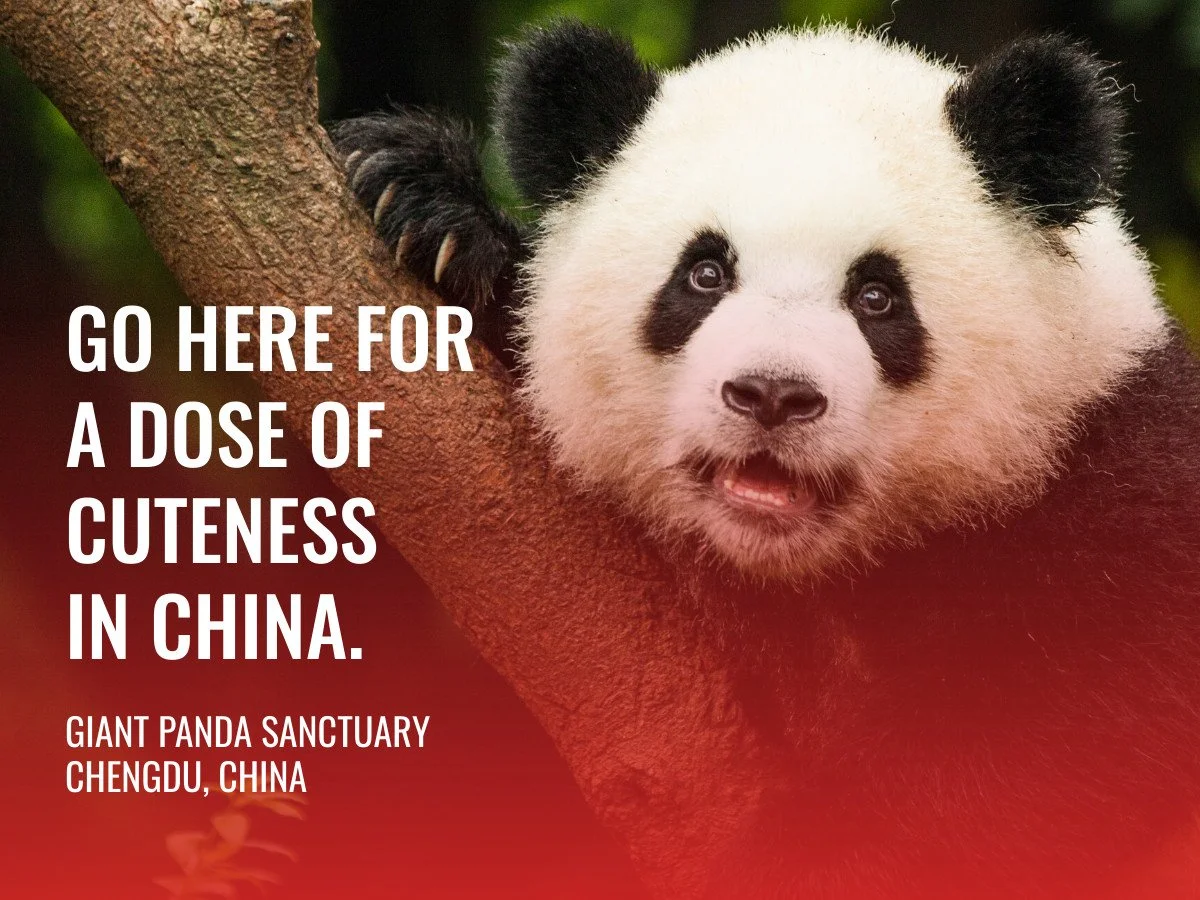
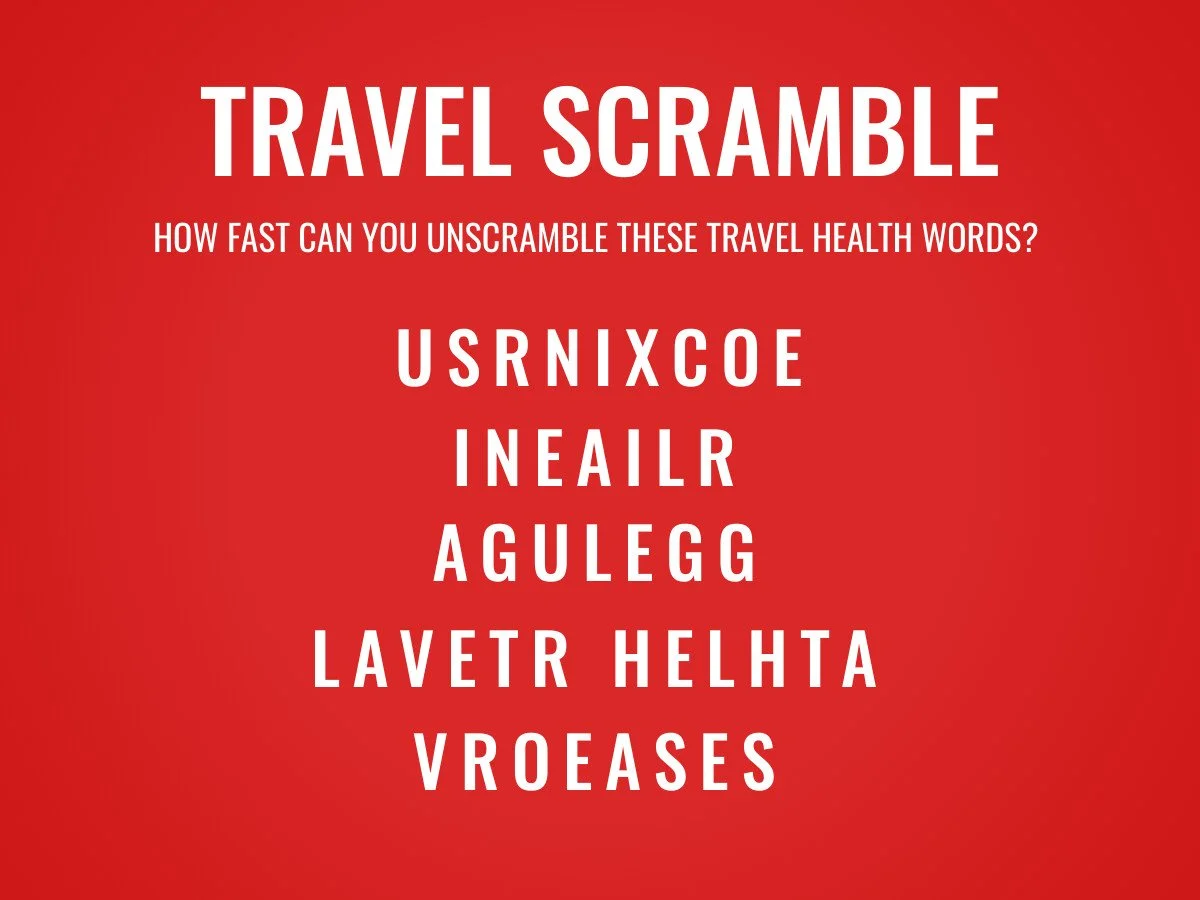
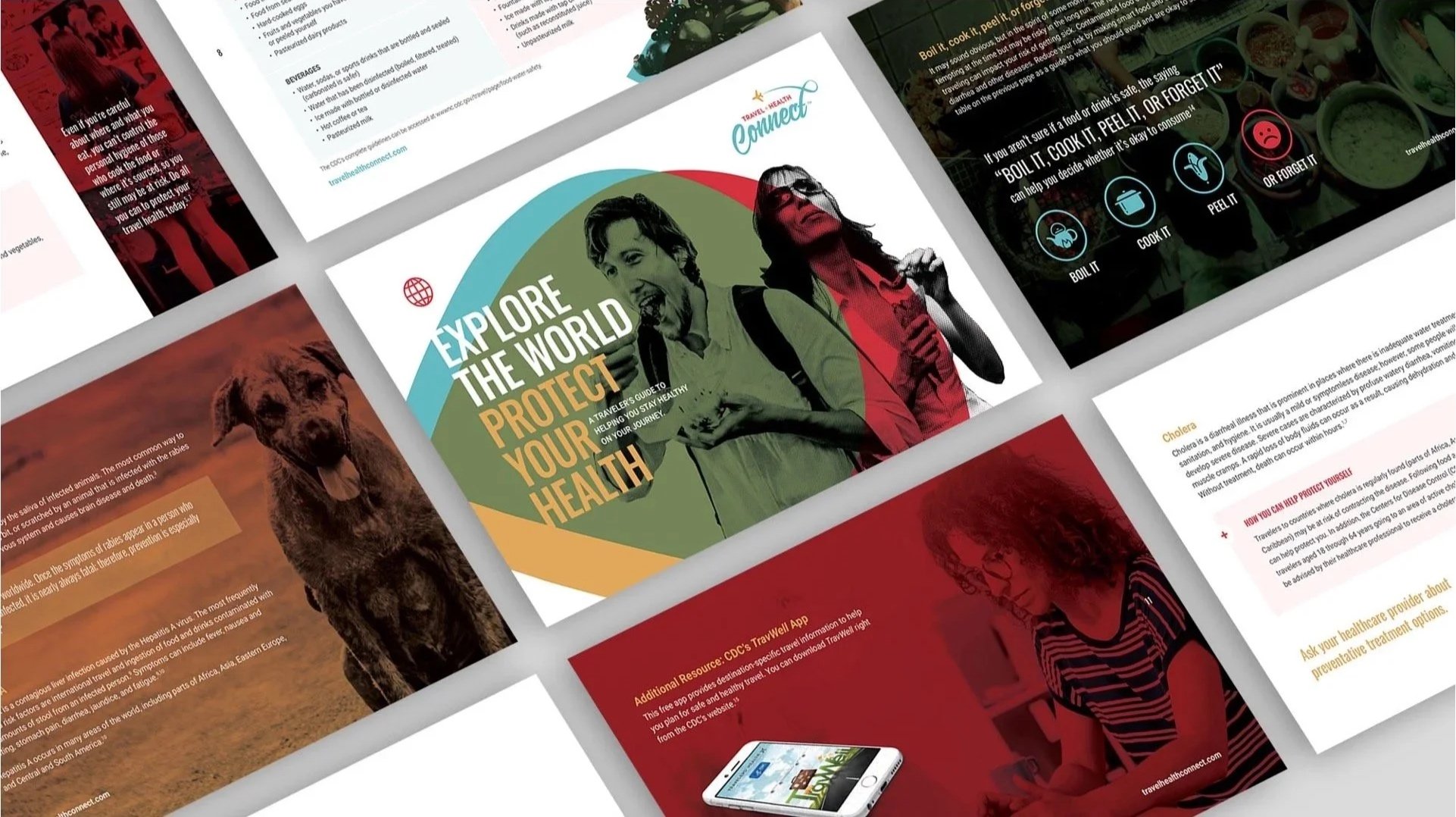
TRAVEL HEALTH GUIDE
A guide with travel health tips that could be viewed online or downloaded as a PDF
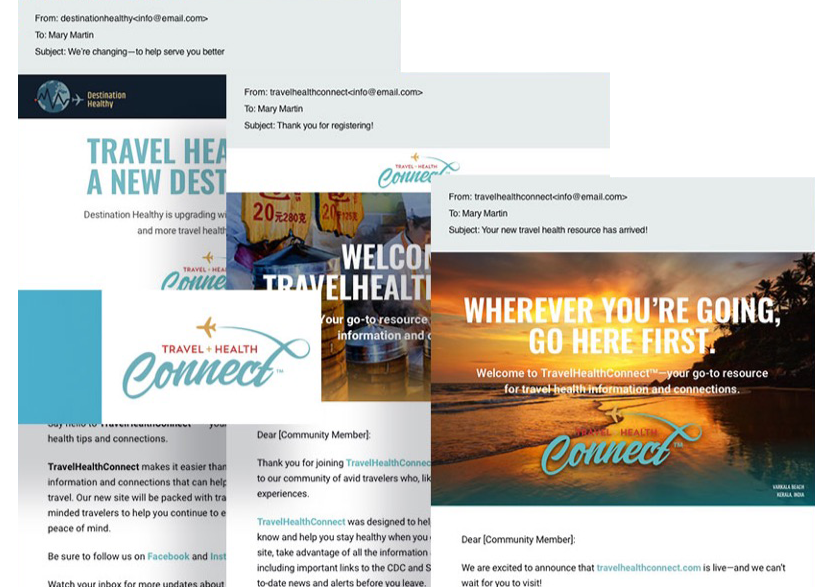
ADS AND EMAIL CAMPAIGNS
Emails drove traffic to site and provided helpful travel content
Phase 2: Outcome
3.4M
Impressions on rebranded site
5k
Travel Guide
downloads
$1M+
Addition of Phase 3 because of Phase 2 success
Phase 3: Pathway from unbranded community to branded vaccine consideration
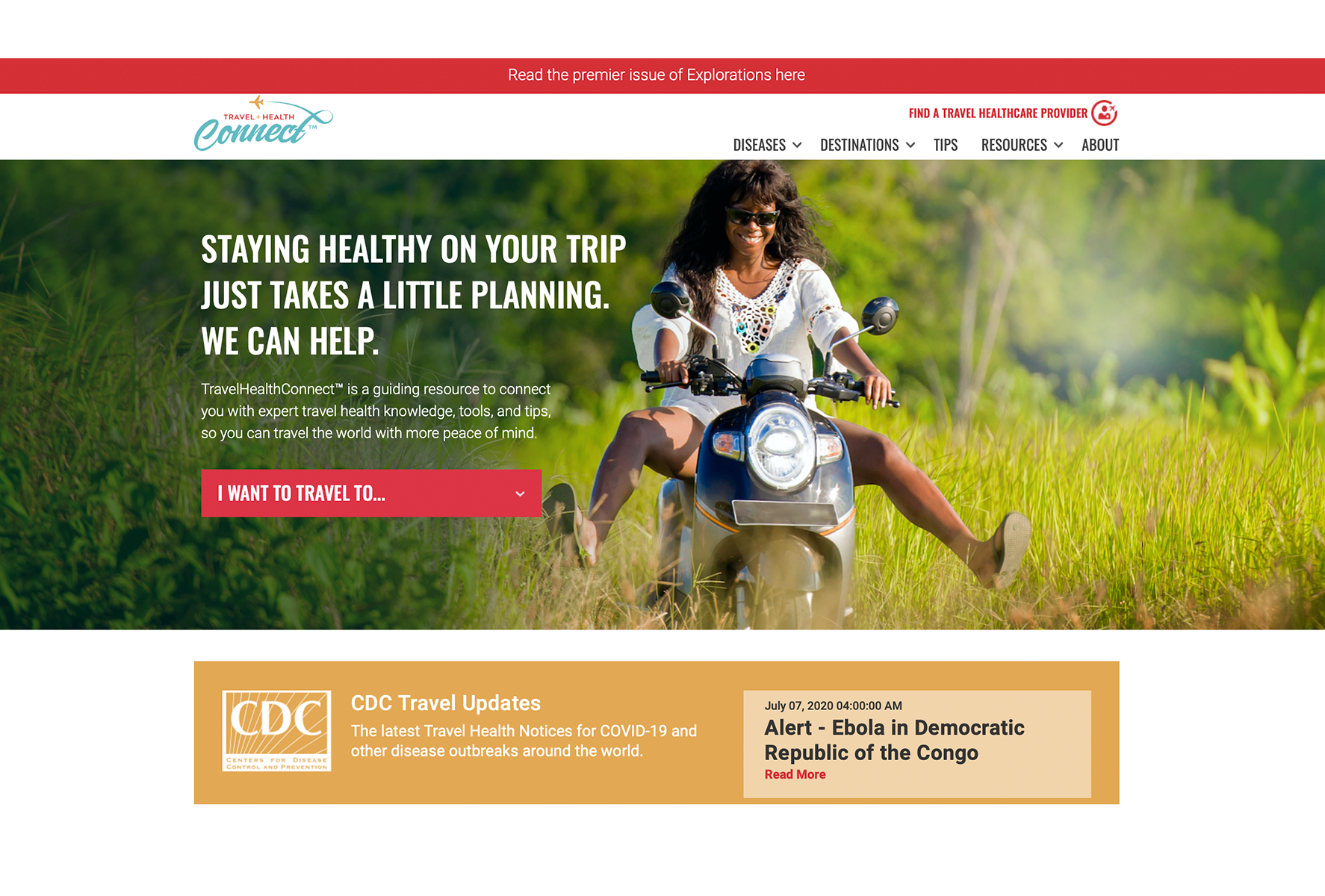
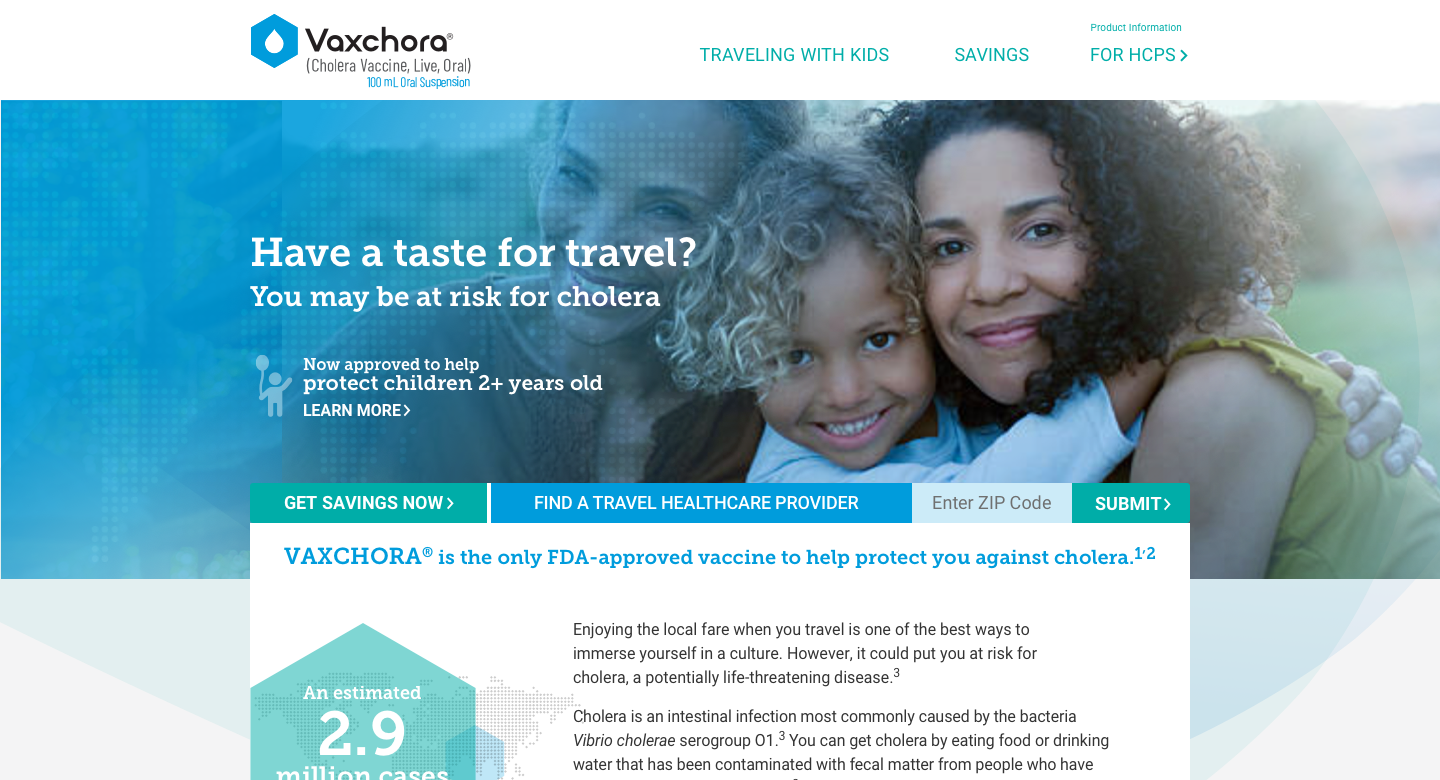
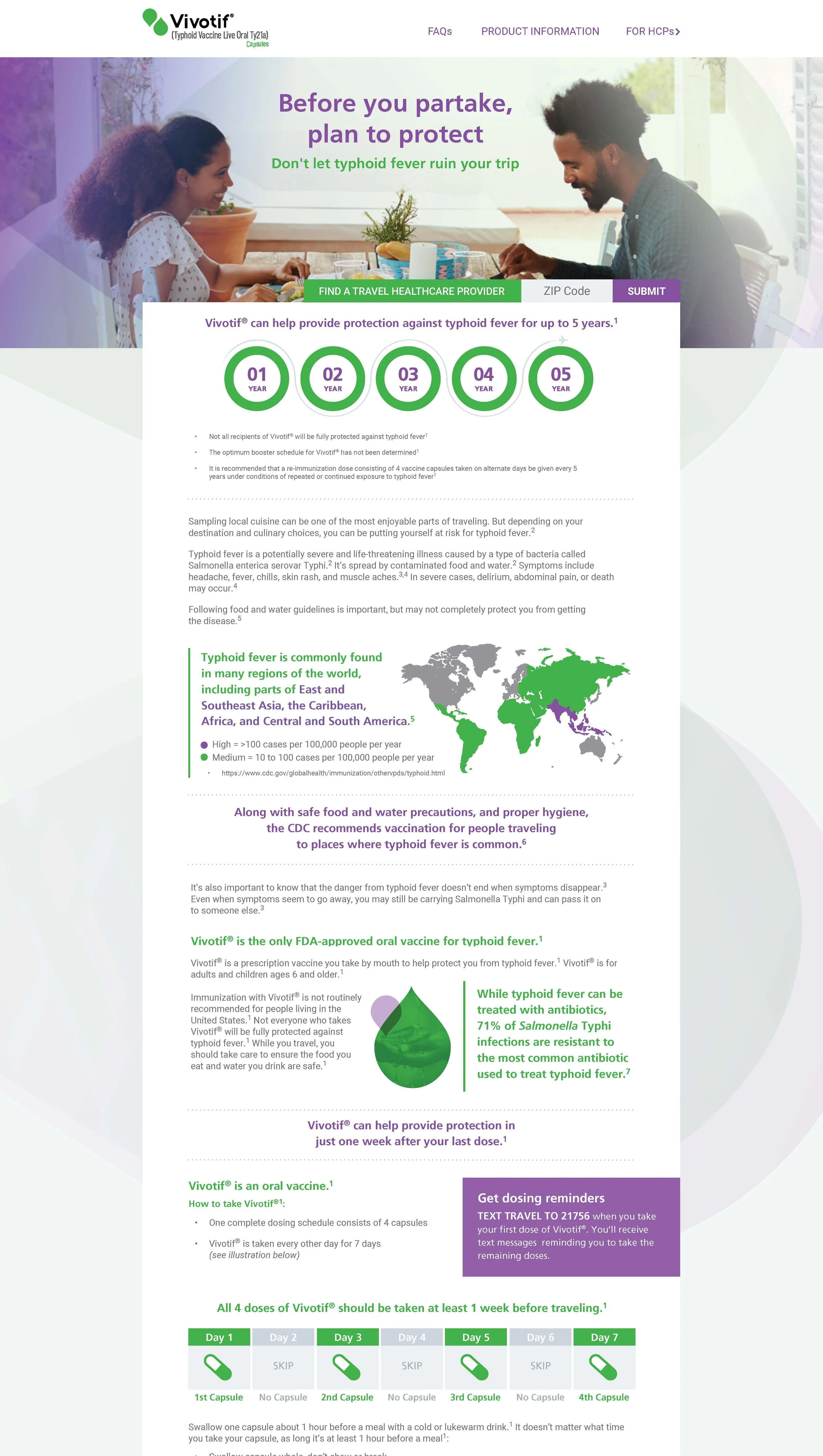
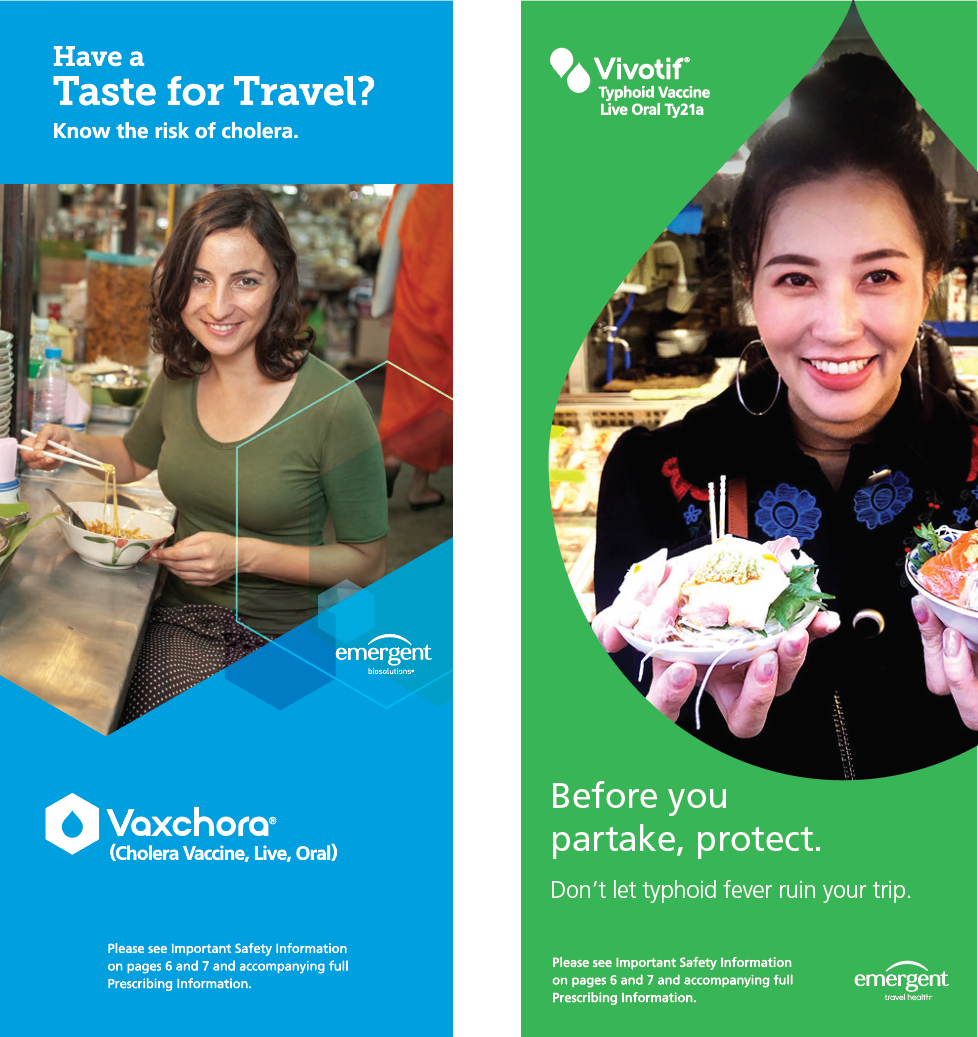
Phase 3 was where the unbranded platform had to pay off. An audience that trusted the site still had to reach a branded vaccine page without feeling handed off to a sales pitch. So the path was built into the content rather than bolted onto it — branded pages reachable directly from the material that brought people in, with live outbreak data giving travelers a reason to come back.
CREDIBILITY ISSUE
The obvious risk in a lighter voice is credibility. I handled it structurally rather than tonally. Live CDC and WHO outbreak feeds and direct connections to State Department guidance meant the authority came from sources travelers already trusted, which freed the brand voice to stay in the register travelers actually respond to. Borrowed credibility on the facts, our own voice on everything else. That’s the arrangement that let humor operate inside a regulated category without costing us trust.
BRANDED MINI SITES
BRANDED BROCHURES
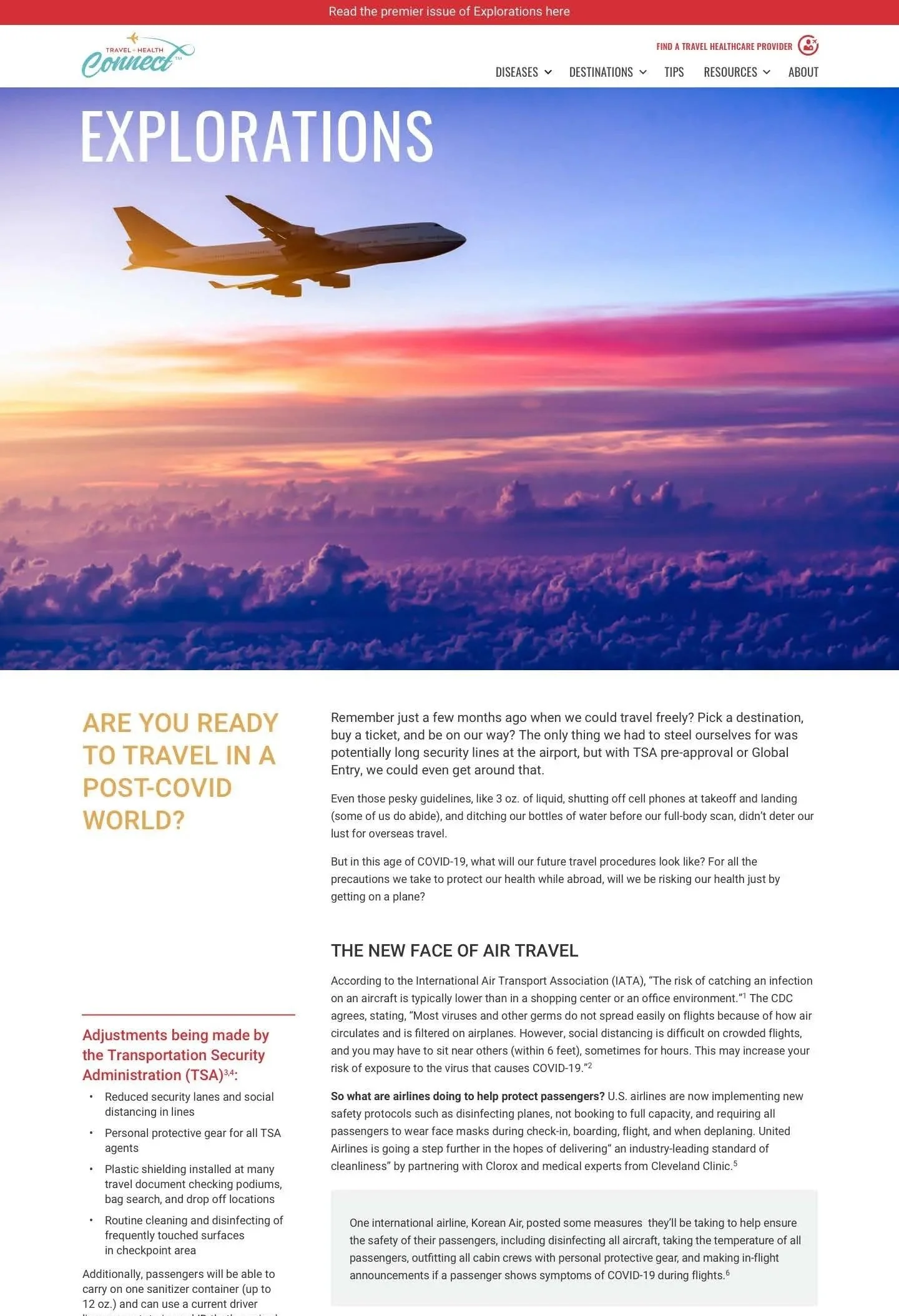
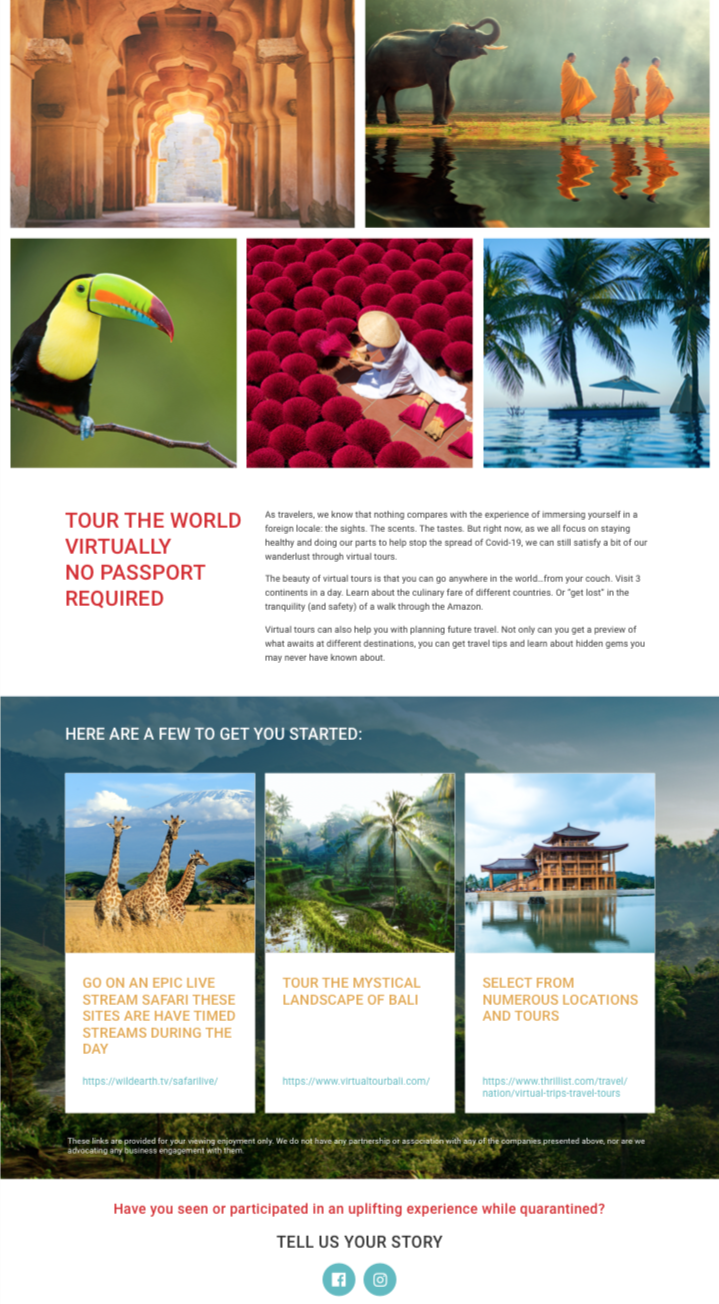
NEWSLETTER
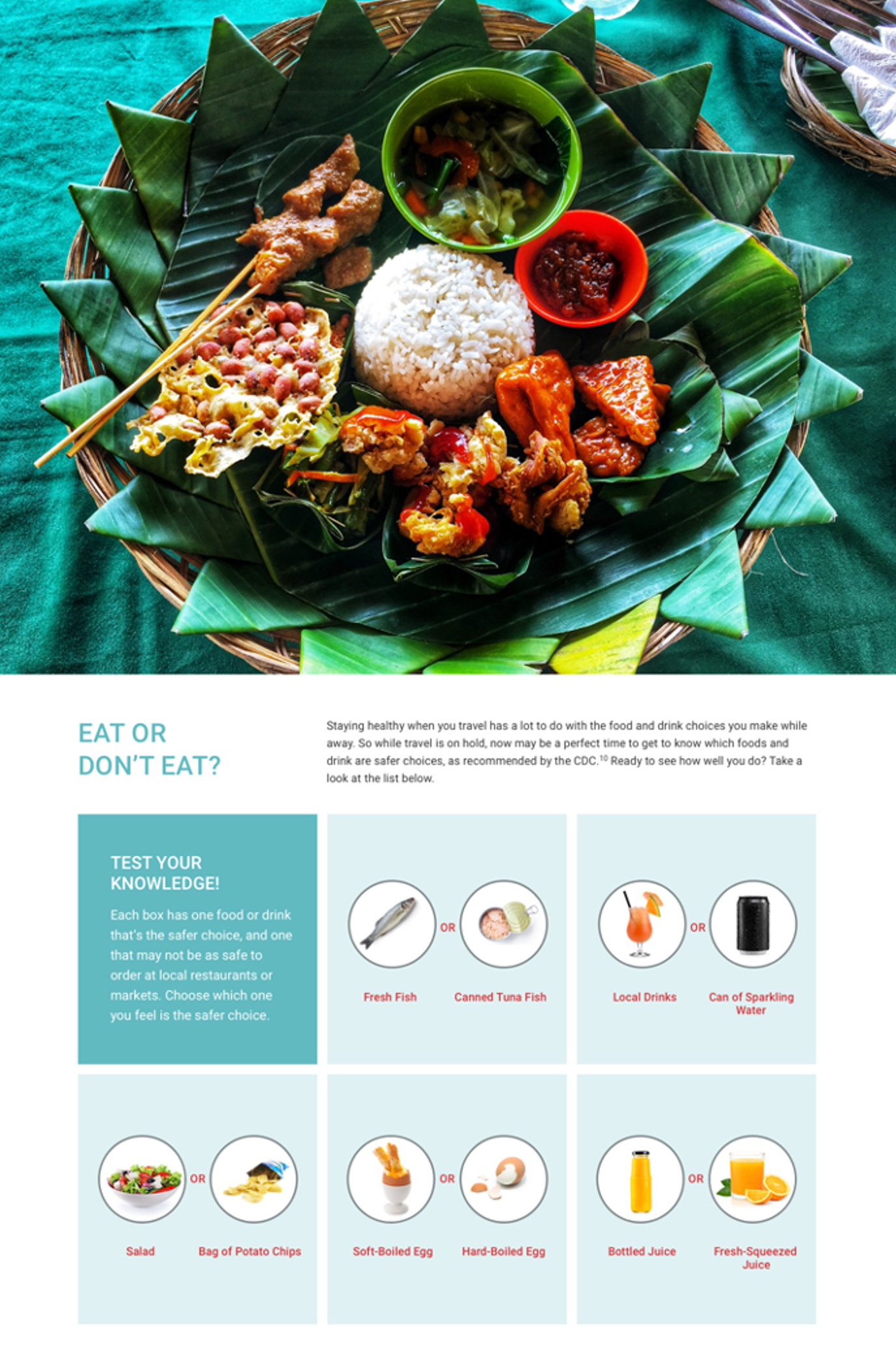
Phase 3: Outcome
Partway through Phase 3, Emergent moved its marketing strategy fully to branded — the direction the pathway had been pointing. The unbranded platform had done what it was built to do.
10k
Vaccine appointment requests initiated
Overall outcome
Travelers don’t wake up thinking about typhoid vaccines — they wake up excited about their destination. Meeting that mindset, rather than correcting it, is what created a natural entry point to the health conversation, and it’s the same principle I bring to every regulated-category campaign: the audience’s frame first, the product’s message second.
3 of 3
Phases funded by the results of the one before